
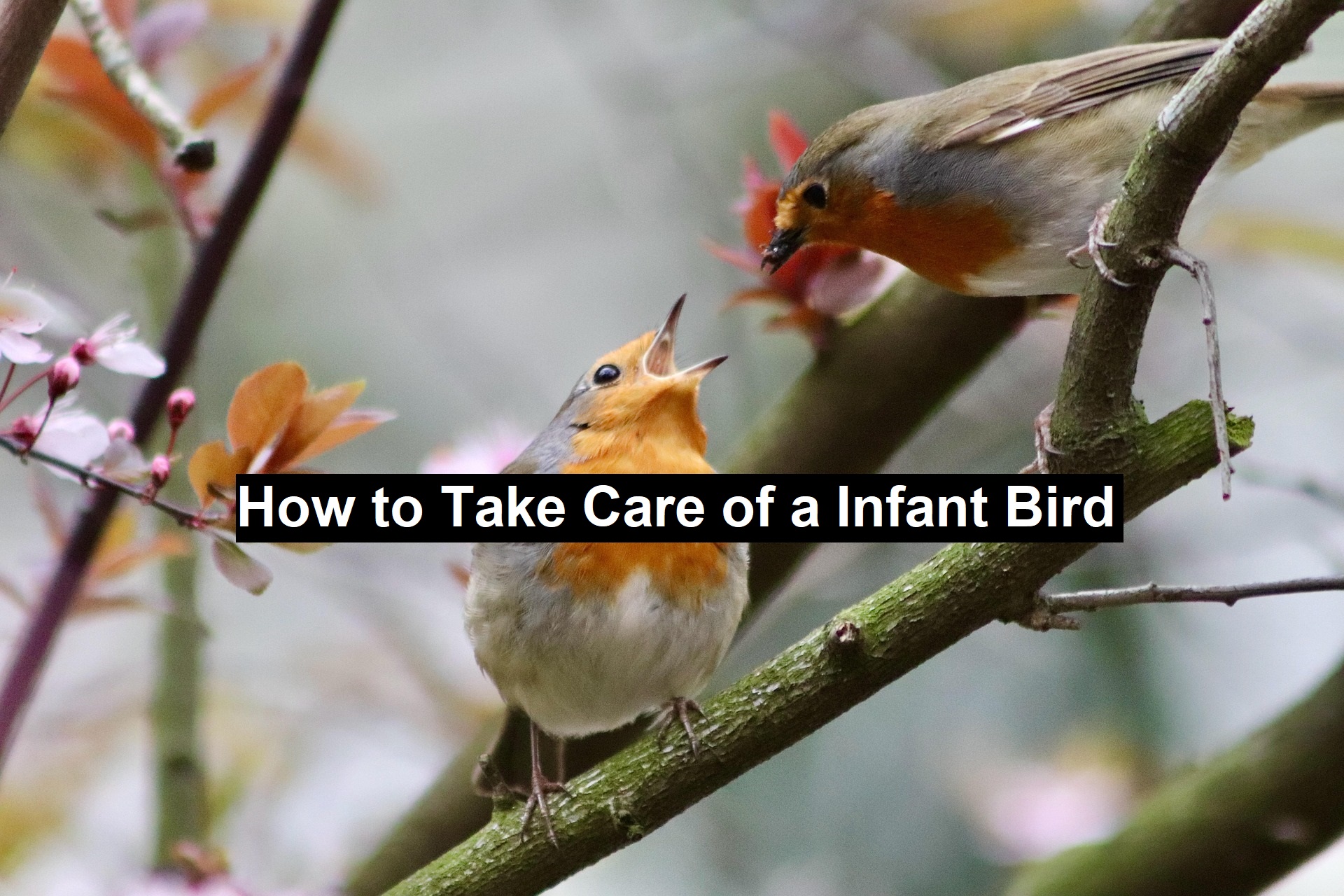
How to Take Care of a Infant Bird
Discovering a infant fowl out of its settle can take off you confused: Is it a settling or a juvenile requiring your help? Identify if the child fowl is a settling (needs a warm settle) or juvenile (watched from a far distance). Utilize clean hands for tender offer assistance. Bolster concurring to species, not bread/milk. Nestlings eat each 15-20 mins in sunshine. For offer assistance or if harmed, contact a natural life rehabilitator.
This web journal plunges into the fundamental steps on how to take care of a child winged creature, covering everything from recognizing their development organize to making a secure environment for them. We’ll investigate the right nourishment to offer and how frequently, expose myths almost human fragrance, and direct you through the handle until proficient offer assistance can take over. Get prepared to learn everything you require to guarantee the small one flourishes beneath your care.
Identifying Your Feathered Foundling: Settling or Fledgling?
Characteristics of Nestlings and Fledglings
Picture this: one child slithers, scarcely clothed, whereas another energetically tries strolling, shoes bound up. That’s the substance of recognizing nestlings from juveniles. Nestlings, associated to newborn children, brag quills and appear as well delicate for the exterior world. Finding one exterior its settle is like finding a child distant from its crib—an quick flag something’s amiss.
Fledglings reflect courageous little children, decked out in an uneven coat of plumes, wavering on the edge of autonomy. They’re seen jumping almost, wings fluttering fumblingly as they ace the nuts and bolts of flight. Their appearance might inspire a chuckle, reminiscent of our clumsy steps toward developing up.
The Centrality of Age in Care
Identifying your discover as a settling or juvenile manages your another move. Nestlings request a made safe house, mirroring their common settle to give warmth and security. A little holder lined with delicate materials can serve as a brief house, advertising the consolation they woefully need.
Fledglings, setting out on a journey of self-discovery, require less hands-on care. Watching from a remove suffices, guaranteeing they stay unthreatened by predators as they explore their recently discovered flexibility. It’s associated to managing a child’s lady bike ride; nearness is significant, however the substance of their endeavor is independence.
Encountering a child winged creature prompts a basic appraisal: Is this a helpless newborn child requiring quick care or a youthful pioneer learning life’s ropes? The qualification impacts your mediation, but keep in mind whichever the case; your kindness plays a significant part in their survival story.
Immediate Steps for Guaranteeing Safety
Stumbling upon a infant fowl can mix up a blend of concern and vulnerability. What’s the best course of activity? Let’s explore.
Should You Touch That Infant Bird?
There’s a myth that if you touch a infant feathered creature, its guardians will censure it until the end of time since of the human fragrance. This is not genuine. Winged creatures are little on the human smell-o-meter. If you choose to offer assistance, guarantee your hands are clean and your touch is as delicate as a feather.
Assessing the Circumstance: To Protect or Not?
Take a great see around. Are there boisterous cats or pooches adjacent? Or is it the child winged creature chilling on the ground? Now and then, playing the holding up amusement is astute if threat is not quickly show. Keep a watchful eye out for the guardians; they might be closer than you think. Be that as it may, if there’s a clear threat or the feathered creature is harmed, it’s time to step in gently.
Creating a Brief Secure Haven
Consider setting up a mini-retreat for your feathered companion if intercession is fundamental. A shoebox lined with delicate tissues can ended up a cozy niche for a penniless fowl. This improvised settle ought to be kept warm but not hot, calm, and some place out of reach from inquisitive pets or small siblings.
Remember, this is a transitory setup to keep the winged creature secure until you can figure out the taking after steps, ideally with direction from a natural life expert.
Navigating this circumstance can be reasonable. With a few information and heart, you can make a enormous distinction in a bird’s life. And who knows? This might be one of those stories you’ll share once more and once more approximately the day you got to be a legend to a modest, feathered friend.
Nurturing the Stranded Feathered creature: Nourishing and Hydration
Diving into bolstering a child winged creature is more complex than popping open a can of worms. It’s a fragile move of coordinating dietary needs to winged creature species, guaranteeing we’re not making kitchen goofs that might harmed our feathered guests.
What Can I Bolster a Wild Infant Bird?
Birds are not one-size-fits-all eaters. What tickles the taste buds of a robin might not do the same for a sparrow. Creepy crawlies, mellowed natural products, or particular grains? The menu changes broadly. Websites like the Audubon Society offer information on bolstering distinctive winged creature sorts. The brilliant run the show? These are intervals snacks until a natural life master takes over. And keep in mind, no bread and milk—it’s not a burger joint breakfast for these little diners.
Do Child Fowls Require Water?
Here’s a curveball – infant fowls once in a while require a water bowl. They get their hydration from the nourishment they eat. So, some time recently you consider playing barkeep, keep in mind that advertising water specifically might lead to unintended swimming lessons they’re not prepared for.